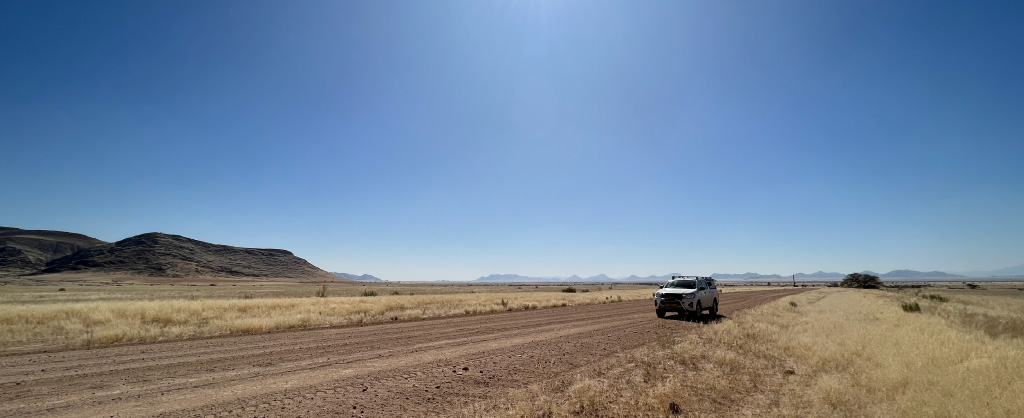
All rental cars have standard third-party insurance cover, the client is responsible for the value of the excess during the agreed rental period. The exact value of the excess depends on whether a standard excess or a reduced excess is selected. The security deposit is a part payment towards the selected excess value, this is required before handover of the vehicle. This deduction will be refunded when the car is returned and there are no damages reported. Besides the general exclusions & terms & conditions associated with the type of insurance offered, glass and tyre damages are not covered and will be the responsibility of the client, unless a glass and tyre waiver is selected. Please note that the client is always liable for the damages of the rented vehicle up to the chosen level of excess, independent of who caused the accident or who is guilty, meaning this is also applicable in case the damages or accident is caused by a third party.
In case the client prefers to rent a vehicle with a lower excess than the standard excess, then an additional fee per day will be charged. It is possible to reduce the excess to Zero Namibian Dollars
Please note that the excess can only be reduced when the vehicle rental is 10 days or longer.
Reducing the level of excess helps to reduce costs in case of an accident in which a third party is involved. The damage to the rented vehicle as well as the third-party damages (no excess applicable) is covered. Important: Reduced Excess options exclude damages to tyres, windows and damages as a result of single vehicle accidents or damages as a result of sandstorms.
The reduced excess options are as follows:
The following scenarios, cases or incidences are not covered by insurance:
- Gross or criminal negligence. In general, in a situation where the driver and/or the passengers are not behaving according to the law, the terms & conditions of the rental agreement or general regulations, constitute negligence. This includes but is not limited to;
- In case of drunk driving;
- In case of speeding;
- In case of crossing a red traffic light;
- In case of driving through water (rivers, swamp, sea), where the water level reaches higher than the axel of the car;
- In case of wrong use of clutch, gears and engine of the car
- Speeding on gravel and tarmac roads.
- Maximum of 120kph on Tar roads. Maximum of 80kph on gravel roads (recommend 70kph). It is highly recommended to engage 4-wheel-drive when driving on any gravel road as this offers greater control and stability.
- Vehicle accident where no other vehicle is involved
- Unauthorized drivers driving the vehicle (Persons not listed as drivers on the rental agreement)
- Failing to obtain authorization to extend the rental period
- Not reporting an accident or loss to the Namibia Police immediately
- Not reporting an accident or loss to Untamed Vehicle rental immediately
- Not adhering to traffic, road and driving rules and regulations
- Unsuitable or reckless driving
- Fire/burn damage caused by cigarettes, matches and/or lighters;
- Damage caused by walking or standing on the roof or bonnet;
- Damage caused by rolling the car, without the involvement of another party
- damaged glass and windows (included in Reduced Excess 4)
- Damaged tyres (punctures, leaking, and/or extraordinary use) (included in Reduced Excess 4);
- Damage caused by driving through water;
- Damage caused by sandstorms (included in Reduced Excess 4);
- Damage of personal belongings;
- Damage caused by EXCESSIVE WEAR AND TEAR
- Damages to rims
Within city limits and in National Parks: 60 km/hour, Gravel roads: 80 km/hour and Highways: 120 km/hour.
As speed regulations do overrule road signs indicating 100 km/hr. At 130 km/h the vehicle makes a “beep” tone, indicating that the driver is driving over the maximum speed allowed on highways. A warning message will be sent to the contact number provided instructing the driver to reduce their speed. After the 3rd warning all Insurances and Reduced Excesses lapse and become invalid. Please be informed that all our vehicles are equipped with a GPS Tracking System (Black Box).
IMPORTANT: If you exceed this speed limit all Insurances and Reduced Excesses lapse and become invalid.